
My Cart
0
You have no items in your shopping cart.

In a world that rarely pauses, where our minds race faster than our bodies can keep up, the idea of wellness often feels fragmented. But Ayurveda reminds us of something far deeper: that true wellbeing is a gentle harmony between the body, mind, and spirit. Its approach to holistic wellness is not about doing more, but about returning to ourselves. Steeped in nature’s rhythms and the wisdom of the doshas, Ayurveda teaches that radiance is born from balance. Through mindful habits, intentional rest and natural remedies for stress, it invites us to slow down and rediscover a more grounded way of living.
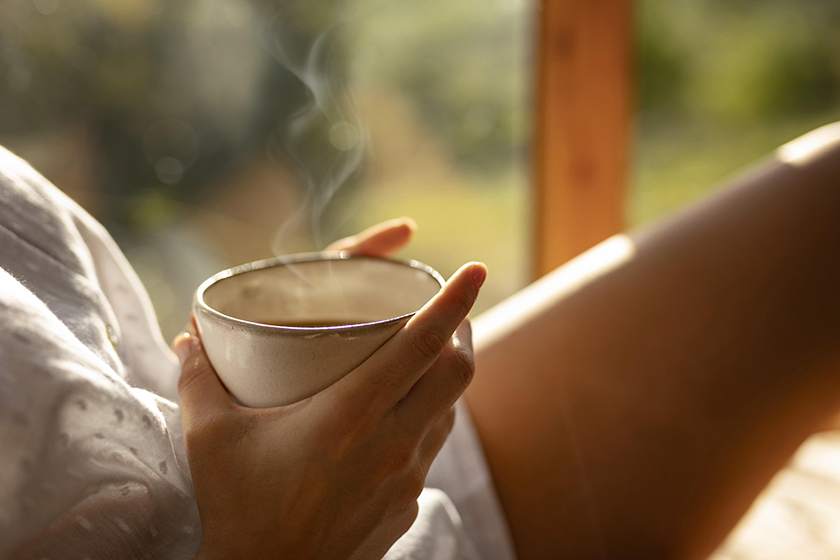
How you start your morning sets the tone for your entire day. One of the simplest yet most powerful Ayurveda self-care tips is to begin your day with intention and calmness.
A morning wellness ritual that you can try:
This morning routine may seem simple, but it creates a powerful foundation for holistic wellness, balancing both your physical and mental states before the hectic day unfolds.

In Ayurveda, food is considered medicine, and how you eat is just as important as what you eat. The goal is not just to fill your stomach but to nourish your senses.
Incorporating natural remedies for stress, such as herbal teas containing Ashwagandha, Brahmi, or Tulsi, can help soothe the nervous system and enhance resilience against daily anxiety.
Mindful eating also plays a crucial role. Avoid distractions like screens while eating; instead, engage all your senses like smelling the aroma, savoring the texture and taking each bite slowly. This enhances digestion and ensures your body fully absorbs nutrients.

Our bodies are deeply intuitive and they respond to nature’s rhythm. When you align your daily rituals with these natural cycles, you cultivate inner harmony.
Here are a few natural wellness rituals that enhance your holistic wellbeing:
A cornerstone of holistic wellness massage, Abhyanga is a deeply nourishing self-massage with warm oil. Traditionally performed with Sesame or Coconut Oil infused with Ayurvedic herbs, this ritual improves circulation, calms the mind and strengthens the skin barrier.
Warm a small amount of oil using the double boiler method. Apply it generously over your body using circular motions on the joints and long strokes on the limbs. Let it soak for 15-20 minutes before taking a warm bath. Doing this regularly can reduce fatigue, improve sleep and give your skin a natural glow.
Known as Garshana, this ritual involves using a natural bristle brush to gently exfoliate the skin before bathing. It stimulates lymphatic drainage, improves blood circulation and energises the body, which is an excellent practice for those who feel sluggish or lethargic.
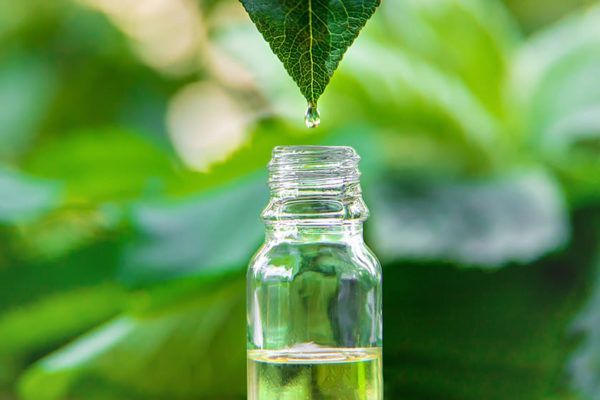
Scents have a direct impact on our mood and emotions. Incorporating essential oils like Lavender, Rose or Sandalwood in your daily routine can help reduce stress and anxiety. Diffuse them in your room or add a few drops to your bathwater to experience a sense of grounding and calm.

Holistic wellness isn’t only about external rituals; it’s also about inner awareness. Practices like yoga, meditation, and breathwork (pranayama) are timeless tools to quiet the mind and strengthen the connection between body and spirit.
Gentle asanas like Balasana (Child’s Pose), Viparita Karani (Legs Up the Wall), or Sukhasana (Easy Pose) calm the nervous system and promote mental clarity.
Simple breathing techniques such as Anulom Vilom (alternate nostril breathing) help balance both hemispheres of the brain, reduce anxiety, and enhance focus.
Even 10 minutes of daily meditation can transform your mental landscape, teaching you to respond to life’s challenges with calm instead of reactivity. Over time, it nurtures mindfulness, which is the ability to stay present and grounded in the moment.

As the day winds down, it’s important to create a transition between activity and rest. Ayurveda views sleep as one of the pillars of health, vital for restoring prana (life energy).
Here’s an evening holistic wellness ritual for better sleep:
A well-rested body reflects in your energy, your skin and your emotional stability, completing the holistic cycle of wellness.
Holistic wellness is not a quick fix. It’s a lifelong journey of self-discovery and balance. Each ritual, whether it’s an Ayurveda self-care tip, a holistic wellness massage, or a moment of mindful breathing, becomes a way to honor yourself. The more you tune into your body’s needs, the more radiant your inner and outer glow becomes.
When you begin to see your wellness as a harmony of body, mind and spirit rather than a checklist of routines, you’ll realise that true beauty isn’t something you apply; it’s something you cultivate from within.
Holistic wellness is an approach to wellbeing that nurtures the mind, body and spirit as one intertwined system.
You practice holistic wellness by balancing daily habits, including nutritious food, mindful movement, quality sleep, emotional well-being and performing rituals rooted in nature.
Yes, when practiced consistently, holistic healing supports overall well-being by addressing root causes rather than just symptoms.
Stress, fatigue, digestive issues, sleep disturbances, skin concerns and general lifestyle imbalances often respond well to holistic care.
The golden rule of Ayurveda is balance. Aligning your lifestyle with your unique constitution (dosha) helps maintain harmony and health.
https://pmc.ncbi.nlm.nih.gov/articles/PMC6492358
https://jahm.co.in/index.php/jahm